
We produce high-quality refuse-derived fuels tailored to specific industrial applications.
Our fuels are engineered for consistency, energy performance, and compatibility with existing combustion systems.
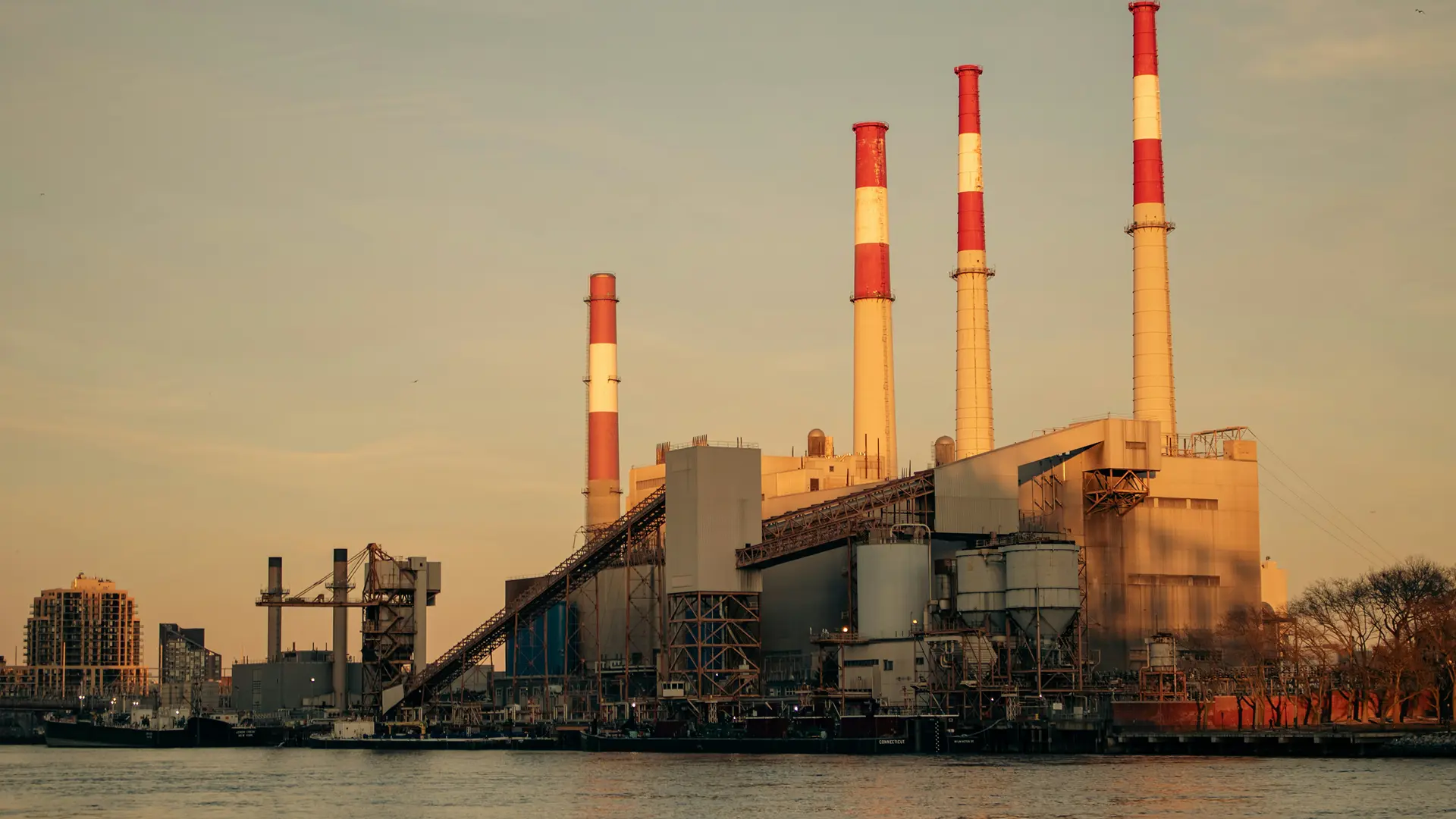
We design and implement systems that convert waste into usable energy, including heat, steam, and electricity.
Our commercial models are structured around energy delivery, typically priced per gigajoule or steam output.
We provide cutting-edge technologies to convert waste into clean energy.
Our services ensure efficient waste handling and disposal.
We guide businesses in implementing eco-friendly strategies.
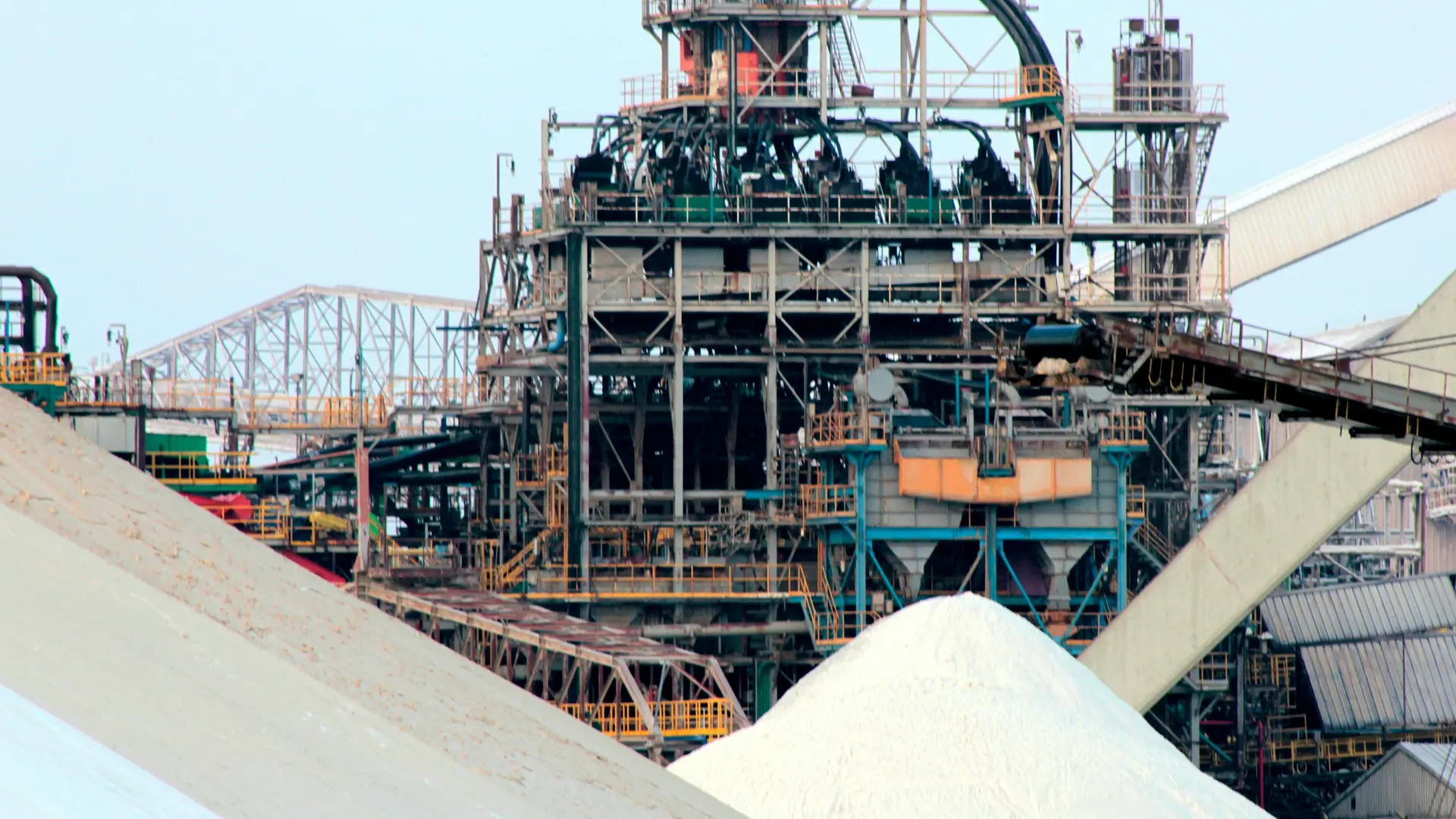
High-temperature processes allow for significant substitution of fossil fuels with alternative fuels.
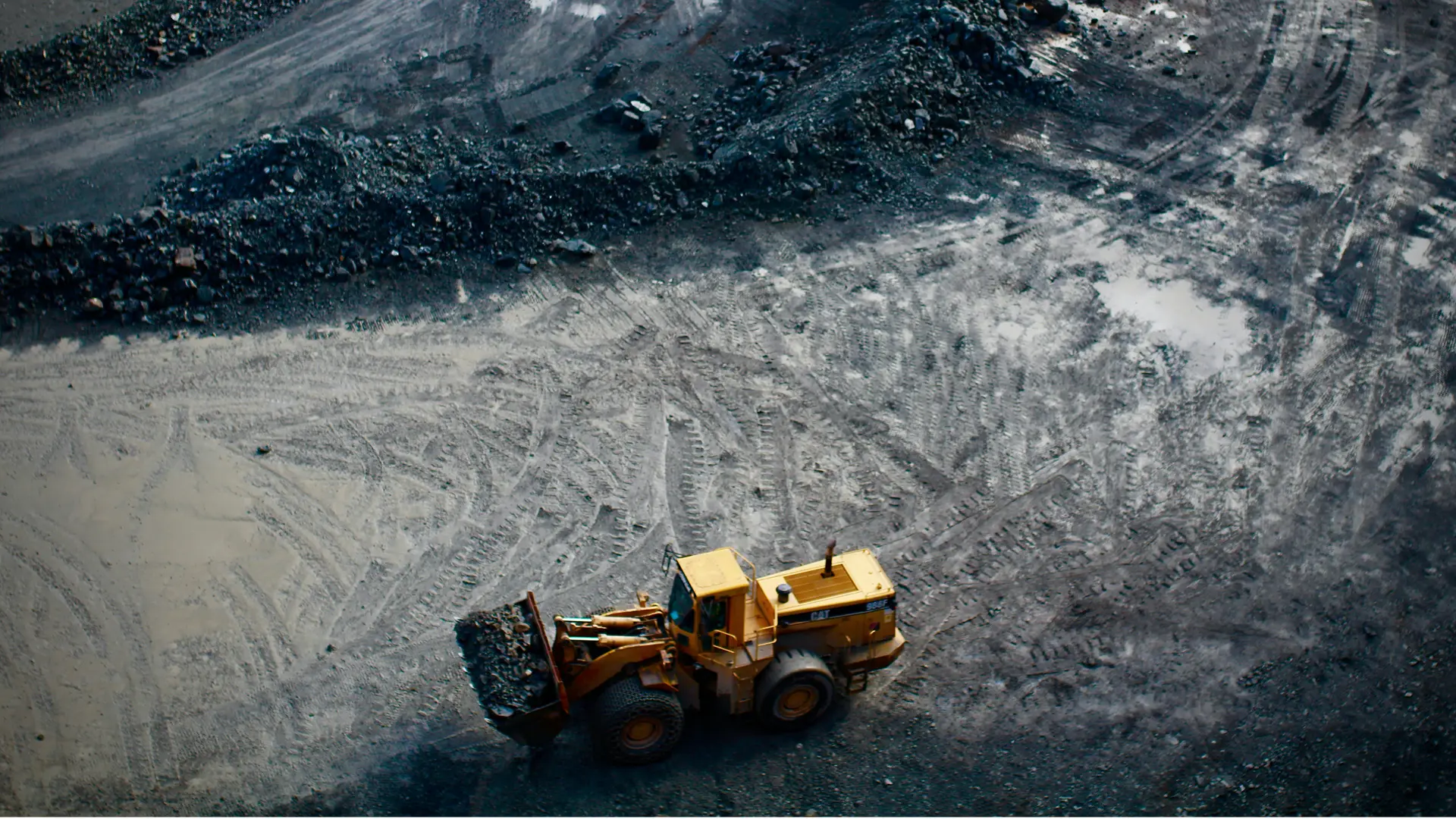
Energy-intensive mining operations benefit from reduced fuel costs and improved environmental performance.
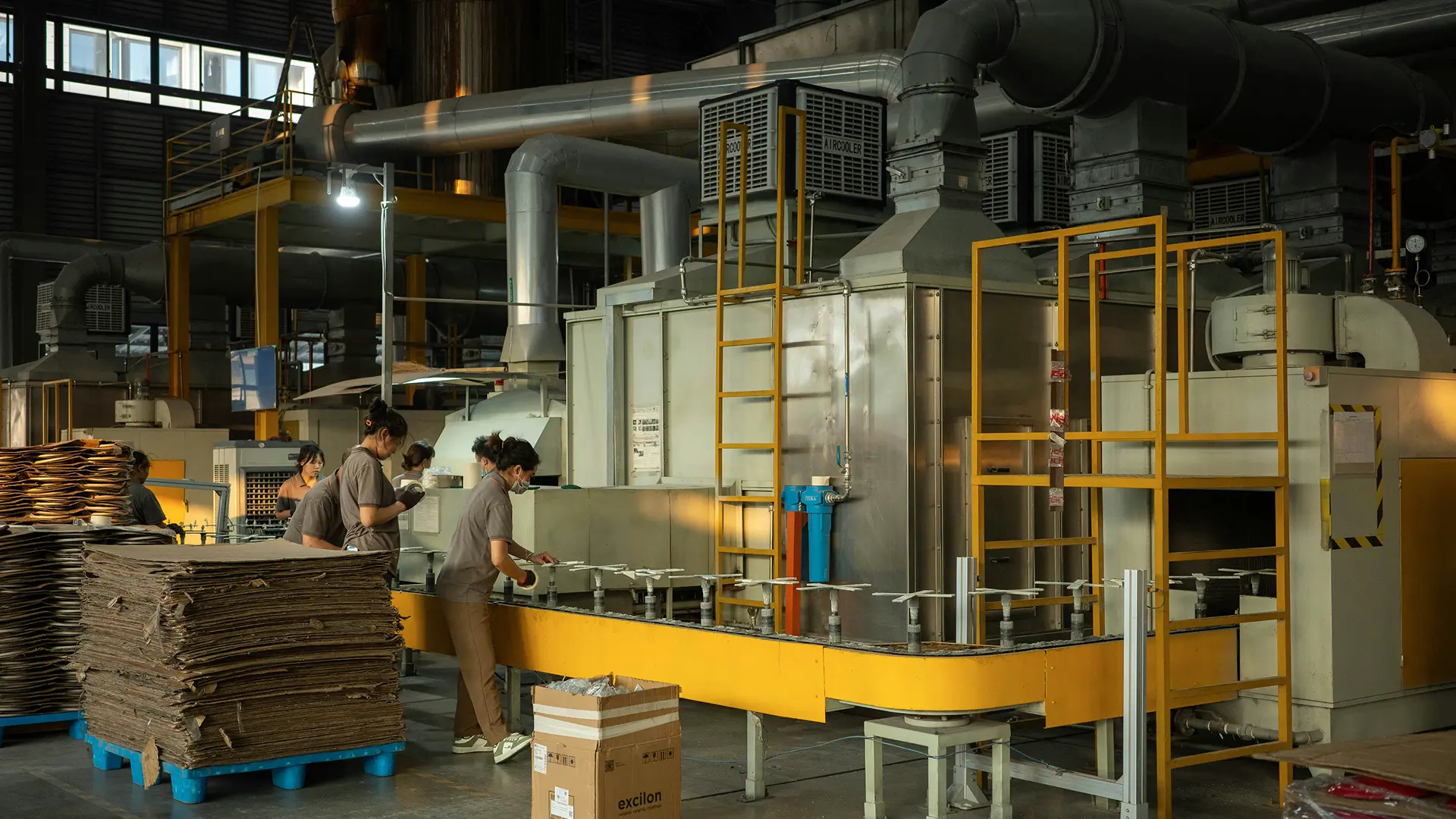
Manufacturers can integrate alternative fuels into existing energy systems with minimal disruption.
Waste generated on-site can often be reused as a fuel source, improving efficiency and reducing disposal costs.
Any operation with consistent thermal demand is a strong candidate for waste-to-energy integration.
We assess available waste streams within your operations or supply network.
Waste is processed into a consistent, high-quality fuel.
We integrate the fuel into your existing energy systems or support conversion where required.
Fuel is used to generate heat, steam, or electricity.
Emissions reductions and waste diversion are quantified and can be monetised through carbon markets.

Waste-to-energy projects generate measurable environmental outcomes, not just operational savings.

Projects that reduce emissions or divert waste from landfill may generate carbon credits that can be used or sold.

Our solutions support:
We design solutions that work within real industrial environments, not theoretical models.
We operate across the full value chain, from waste sourcing to energy delivery and environmental monetisation.
Every project is structured to deliver measurable financial outcomes.
Our team combines decades of experience across waste, energy, and environmental markets.
Aeren is a specialist in waste-to-energy, circular economy systems, and environmental markets, with a background that combines technical development and commercial structuring.
He began his career in the waste sector, working in research and development on waste-to-energy projects, including the design and optimisation of alternative fuel systems. He later moved into carbon markets and sustainability advisory, where he played a key role in developing carbon credit strategies and environmental value frameworks across multiple regions.
Aeren founded Ammonite Environmental to focus on bridging the gap between sustainability and commercial viability, ensuring that environmental outcomes translate into measurable financial returns.
Within RDF Group, Aeren focuses on strategy, partnerships, and the integration of environmental markets into waste-to-energy projects. His role ensures that projects are not only technically sound, but also structured to unlock additional value through carbon credits and other environmental incentives.
Mike brings over two decades of experience in the waste and resource management sector, with a strong technical foundation in waste-to-energy systems and industrial fuel applications.
He previously held a senior technical leadership role within a major waste management company, where he was responsible for developing and implementing waste beneficiation and alternative fuel projects at scale. His work has focused on transforming complex waste streams into usable industrial inputs, particularly within cement, manufacturing, and heavy industry environments.
Mike has been directly involved in the development of refuse-derived fuel operations in South Africa, including early-stage projects that helped establish the local market for alternative fuels. His expertise spans feedstock development, fuel specification, combustion systems, and operational integration into industrial processes.
At RDF Group, Mike leads the technical and operational side of the business, ensuring that all solutions are practical, reliable, and aligned with real-world industrial requirements.